



Incredible new cars
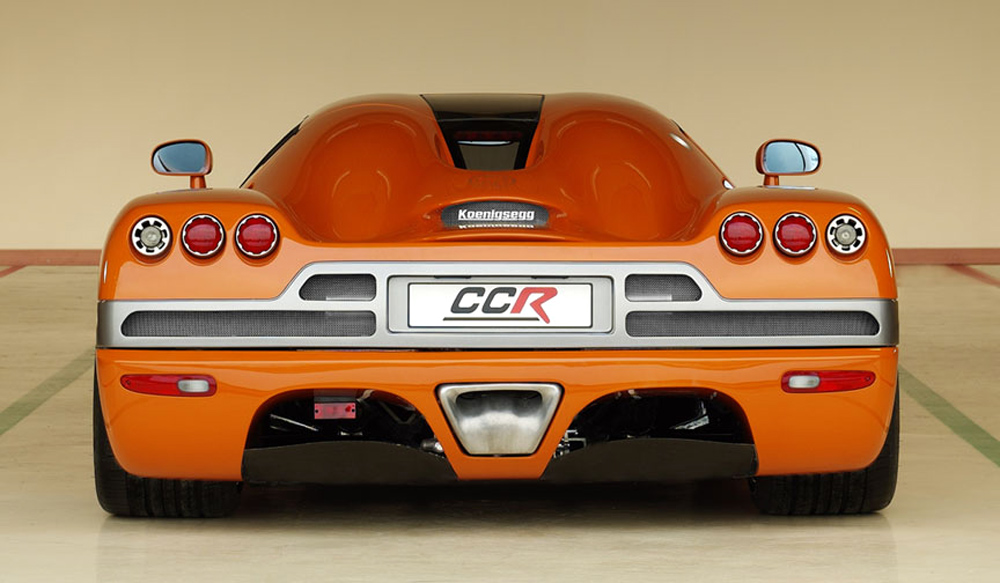
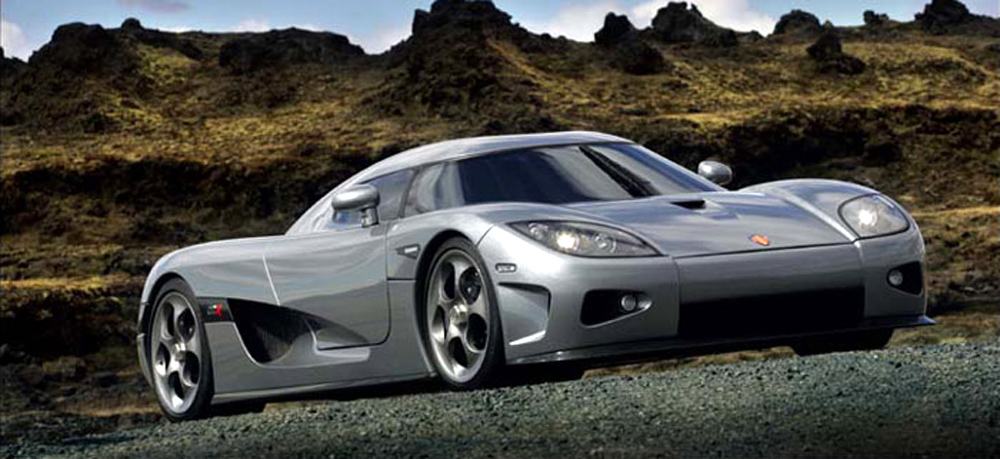 The Swedish-made, 245 mph-capable Koenigsegg CCR currently holds the Guinness World Record for speed in a production car and costs $722,534 (see BW Online, 3/24/06, "A Revolution in Swede Speed"). http://www.koenigsegg.com/

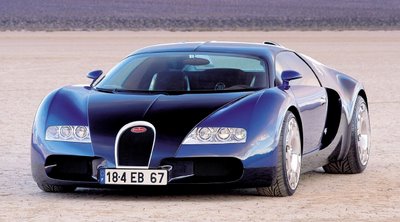

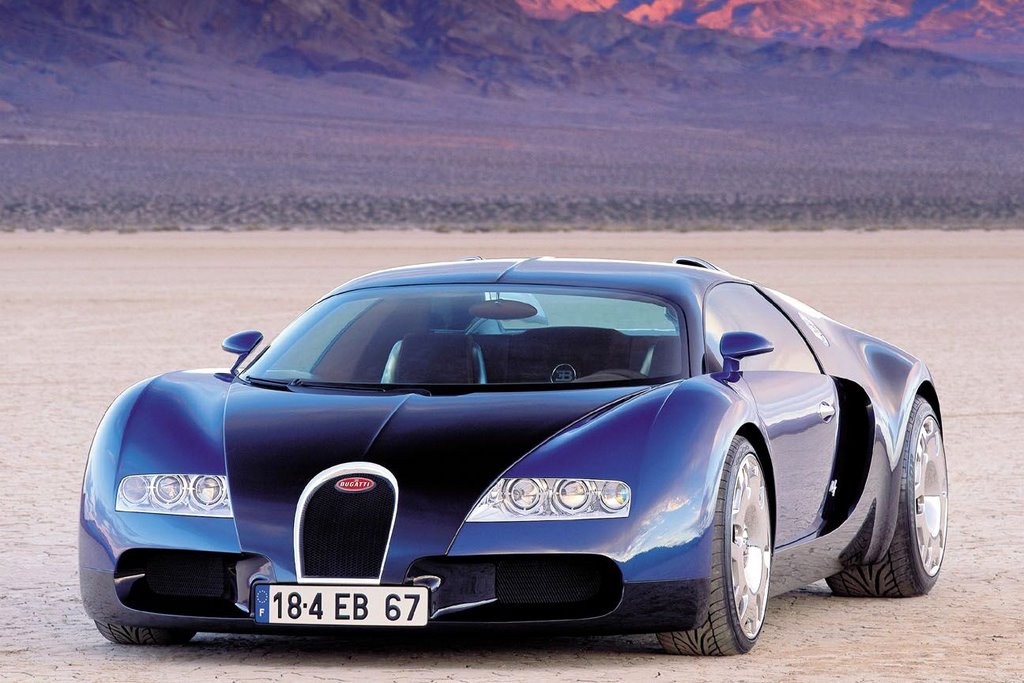
At full bore, the upcoming 1,001 horsepower Bugatti Veyron, meanwhile, burns through its entire fuel supply in a mere 12.5 minutes at full speed (253 mph) Which is good, because the tires will only last for 15 minutes at this speed. Convienent, No?
By the way, I worked out the fuel consumtion of my 69 Coronet R/T...
at a 1/8th mile race I made 4 passes...
grand total - 1/2 mile.
I went through 1/2 tank of 100 octane avgas (about 4 bucks a gallon).
Thats works out like this; 1/2 mile = 10 gallons = 36 seconds....
20 gallons (full tank) = 1 minute 12 seconds = 1 mile (this is all at wide open throttle)
Somehow this doesn't sem like it makes sense, but the fuel gauge and the time slips tell the story
9 second 1/8th mile too.
The 80's and 90's Shelby / Dodge association
1986 Shelby GLHS
1987 Shelby GLHS
1987 Shelby Lancer
1987 Shelby CSX
1988 Shelby CSX-T
1989 Shelby Dakota
1989 Shelby CSX-VNT
Found at the website http://www.xmission.com/~dempsey/shelby/sheldodg.htm for more in depth info... I'm not as interested in the particulars. None seem to much better than a 14 sec 1/4 mile, and handling that wasn't much compared to a GT 350 from 20 years prior.
Also see http://www.nextautos.com/keepers-turbo-dodge
1987 Shelby GLHS
1987 Shelby Lancer
1987 Shelby CSX
1988 Shelby CSX-T
1989 Shelby Dakota
1989 Shelby CSX-VNT
Found at the website http://www.xmission.com/~dempsey/shelby/sheldodg.htm for more in depth info... I'm not as interested in the particulars. None seem to much better than a 14 sec 1/4 mile, and handling that wasn't much compared to a GT 350 from 20 years prior.
Also see http://www.nextautos.com/keepers-turbo-dodge
The Goes Like Hell Shelby, GLHS, Cool. A classmate of mine in Subschool had just bought one and filled me in, but I didn't get a ride. Damn.
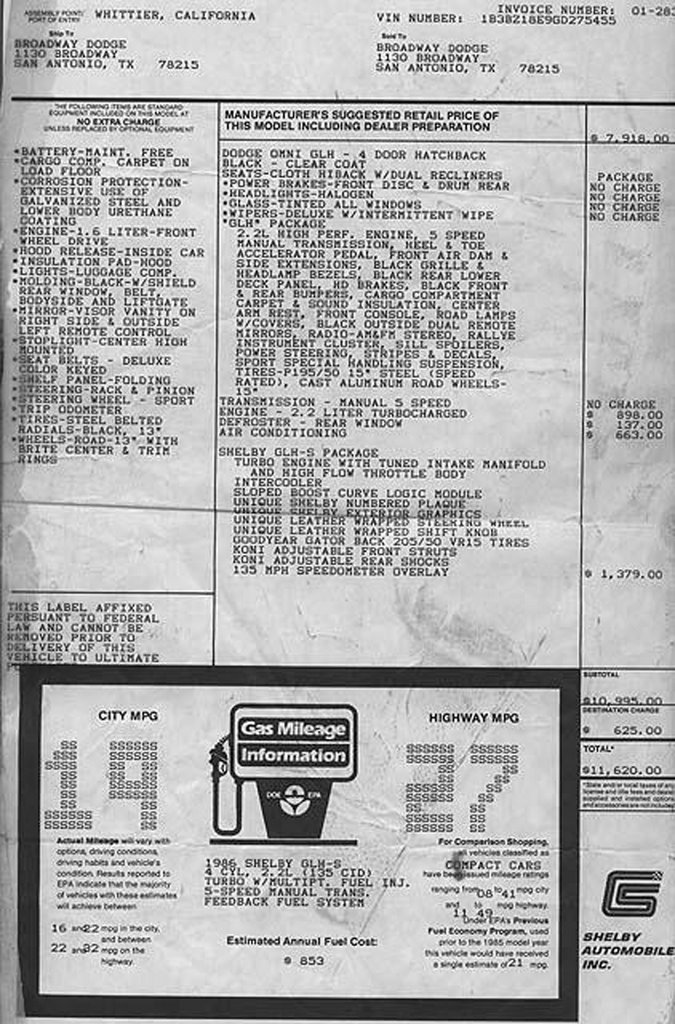 http://www.xmission.com/~dempsey/shelby/sheldod3.htm
 Here is the window sticker from an 86 GLHS. I believe that all 86 GLHSs were equipped basically the same way; ie - all had A/C, rear defrost, etc. Judging by the above window sticker, however, there could be subtle differences; perhaps some didn't have the rear defrost, or perhaps a few had the rear wiper as well.
There were rumored to be two GLHS-specific options: a roll cage and an oil cooler. I was once told that cars 001 (Shelby's personal car), 007, 008, 010, 047, and 048 had the rollbar; however, Bob Marsh (the individual in charge of production at Shelby Automobiles during this period) claimed in a recent interview that no rollbar was ever installed in any "production" car--only a couple PR cars. I do not know which cars, if any, featured the oil cooler. (NOTE: the cars were not built in numeric order!)
On the outside, visual differences were limited to the different wheels, new tape graphics which were white rather than red, and a white Shelby decal at the top of the windshield.
The most exciting changes were underhood, of course. Shelby's crew had installed a prototype intercooler setup; these pieces would later be used by the factory. The changes included a different turbo, the front-mounted intercooler, a different radiator (smaller surface area but 2 cores as opposed to the stock single core), an all-new 2-piece tuned-length intake manifold, larger fuel injectors (these would become the stock Turbo II injectors used by the factory), a 46mm throttle body (up from 42mm) which was now located after the turbo and right before the intake manifold, and a different logic module set for 12 psi (up from 9) and programmed with knowledge of the intercooler. Also, a heated O2 sensor was swapped in, and a few other non-Turbo I sensors were added.
Fitted with all this hardware, the GLHS was now rated at 175 horsepower. More notable, the torque plateau of 175 lb-ft extended from 2200-4800 rpm! This was definitely enough to rocket the flyweight Omni into the 14s; C/D clocked 0-60 in 6.5 and an ET of 14.8 seconds. Top speed increased to an honest 130 MPH, very respectable for a boxy 4-door econocar.
Inside, a leather-wrapped steering wheel and shift knob were installed. The all-important numbered dash plaque was affixed where the standard Omni badge once resided. And not to be overlooked, a clear sticker overlay was added to the unpegged speedometer which extended the numeric readout to 135 MPH.
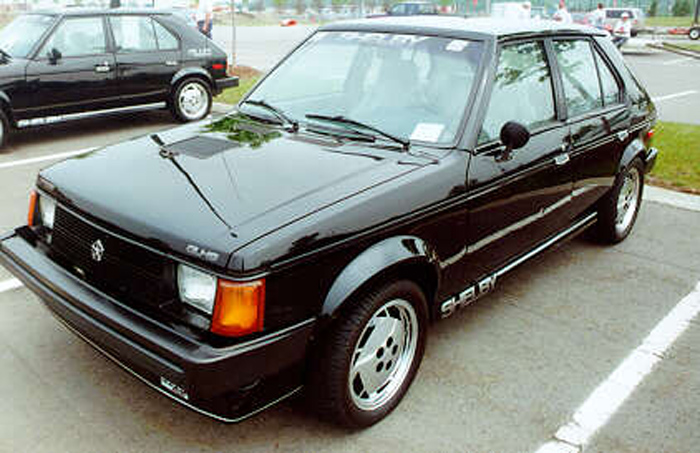
The first true Shelby of the 80s, these cars began life as 86 GLH Turbos. Carroll purchased 500 of them -- all black -- and they were shipped to his plant in California. Once they arrived his team set about making changes. The suspension was upgraded with Koni adjustable struts/shocks all around. The alignment was altered a bit: Shelby called for the front camber to be set more negative, and a little more toe-in was performed on the rear. The tires were upsized to 205/50VR-15 Goodyear Gatorbacks; these tires were mounted on Shelby Centurion aluminum wheels (Shelby also had a wheel business on the side at the time).
For a good article on the Dodge Shelby connection: http://www.nextautos.com/keepers-turbo-dodge
The Mopar six pack
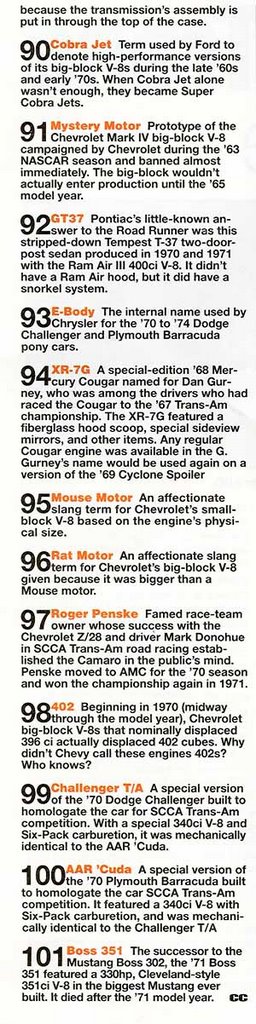
The '69 'Bee deserves special mention here. Since it was the first car to wear the Six Pack label, it is, of course, the image that pops into most Mopar gearhead's minds when someone says Six Pack. Sure, we know the '69 'Runner was the same car; it just didn't say Six Pack. The Dodge name is the one that stuck.
Car Life magazine, in its July 1969 issue, sang high praise of the car -- and in more than drag action. "Decent brakes" and "superpredictable and superresponsive" are phrases they used to describe the handling of the 'Bee, but their last paragraph said it all: ". . . a drag-strip terror; a Hemi equalizer; and a 3,800-pound, 117-inch wheelbase slalom car." Did these guys like the 'Bee, or what?
For 1970, Chrysler wasn't about to let a good thing slip through their hands again, so they tooled up for an in-house iron version of the manifold. They also vastly widened the motor's availability, making it an option for the 'Cuda, Challenger, Road Runner, Super Bee, GTX, Coronet R/T, Charger R/T and "winged-thing No. 2," the Superbird.
Even land-yacht enthusiasts were happy in '70: The six-barrel monster wedge could be had in a C-body, the Sport Fury GT.
The Sport Fury GT with a 440 6 barrel, weighed in at 4216 pounds, had 3:23 gears and a torque flight. Ran the 1/4 in 16.01 at 92.5 mph by Road Test HP magazine, May 1970.
Ronnie Sox (the best stick shift racer to run a 1/4 mile) had a 69 440 6 bbl Road Runner across the 1320 in 12.98 seconds at 111.66 mph, Drag Racing magazine June 1969
Car Life magazine, in its July 1969 issue, sang high praise of the car -- and in more than drag action. "Decent brakes" and "superpredictable and superresponsive" are phrases they used to describe the handling of the 'Bee, but their last paragraph said it all: ". . . a drag-strip terror; a Hemi equalizer; and a 3,800-pound, 117-inch wheelbase slalom car." Did these guys like the 'Bee, or what?
For 1970, Chrysler wasn't about to let a good thing slip through their hands again, so they tooled up for an in-house iron version of the manifold. They also vastly widened the motor's availability, making it an option for the 'Cuda, Challenger, Road Runner, Super Bee, GTX, Coronet R/T, Charger R/T and "winged-thing No. 2," the Superbird.
Even land-yacht enthusiasts were happy in '70: The six-barrel monster wedge could be had in a C-body, the Sport Fury GT.
The Sport Fury GT with a 440 6 barrel, weighed in at 4216 pounds, had 3:23 gears and a torque flight. Ran the 1/4 in 16.01 at 92.5 mph by Road Test HP magazine, May 1970.
Ronnie Sox (the best stick shift racer to run a 1/4 mile) had a 69 440 6 bbl Road Runner across the 1320 in 12.98 seconds at 111.66 mph, Drag Racing magazine June 1969

In and Out will show up to your event for a few thou. Worth every penny
The "Minimum Charge" of $2,350 buys you 2 hours of time, but they don't do fries in the mobile unit. In 'N Out Burger Mobile Unit Agreement [pdf, in-n-out.com]
Learned about from http://positiveapeindex.blogspot.com/2006/07/2006-banks-gearhead-invitational_30.html

Learned about from http://positiveapeindex.blogspot.com/2006/07/2006-banks-gearhead-invitational_30.html
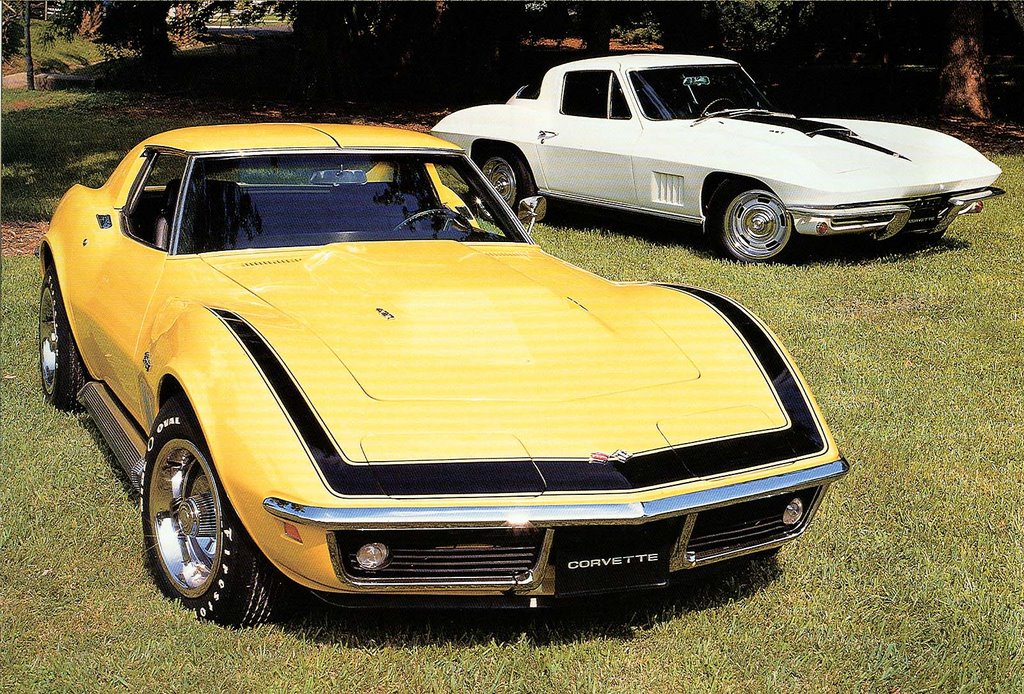
The only time Super Sport was ever applied to a corvette, thanks to Zora Arkus Duntov
 The Bill Mitchell and Zora Duntov vettes. Unique beasts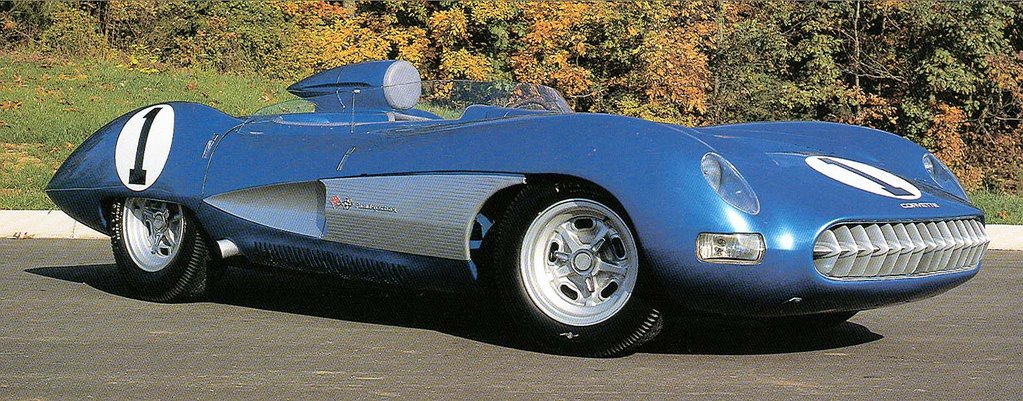

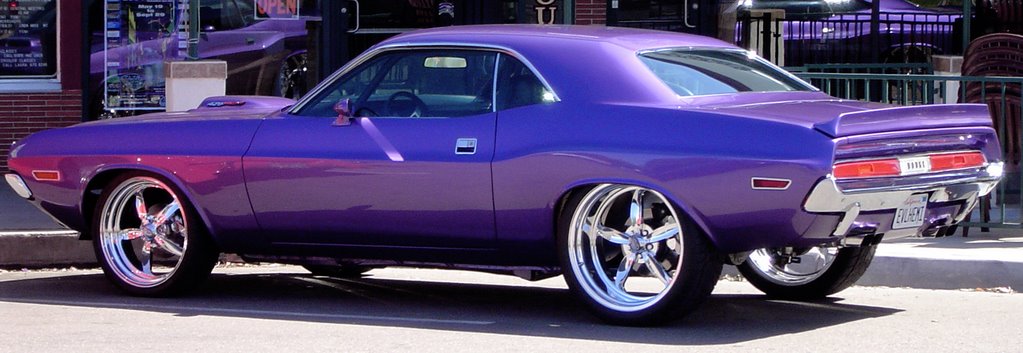
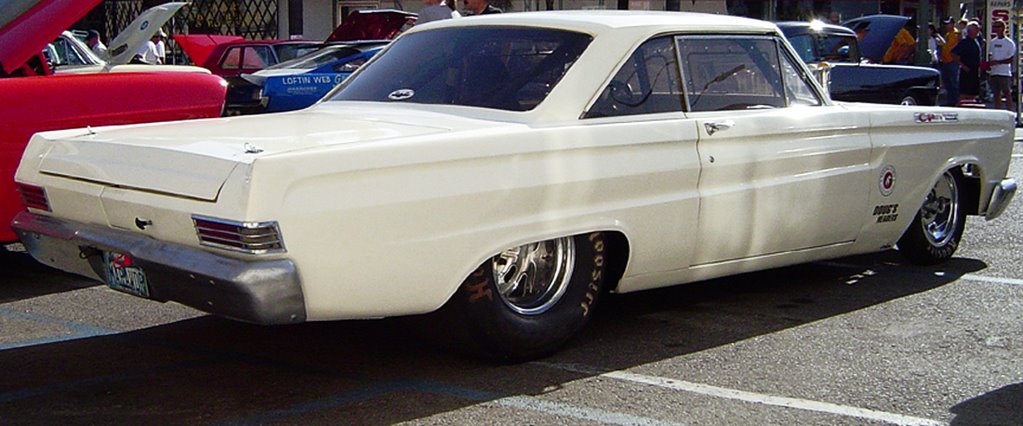
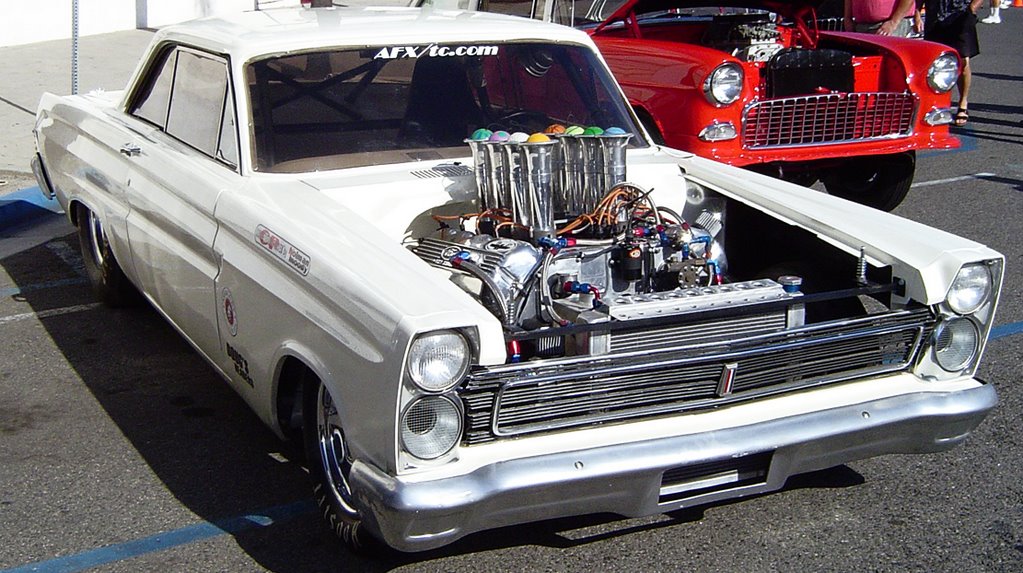
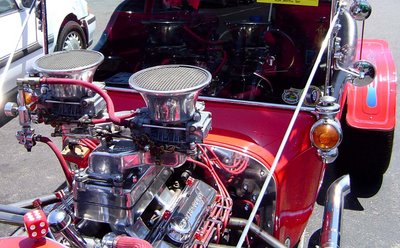
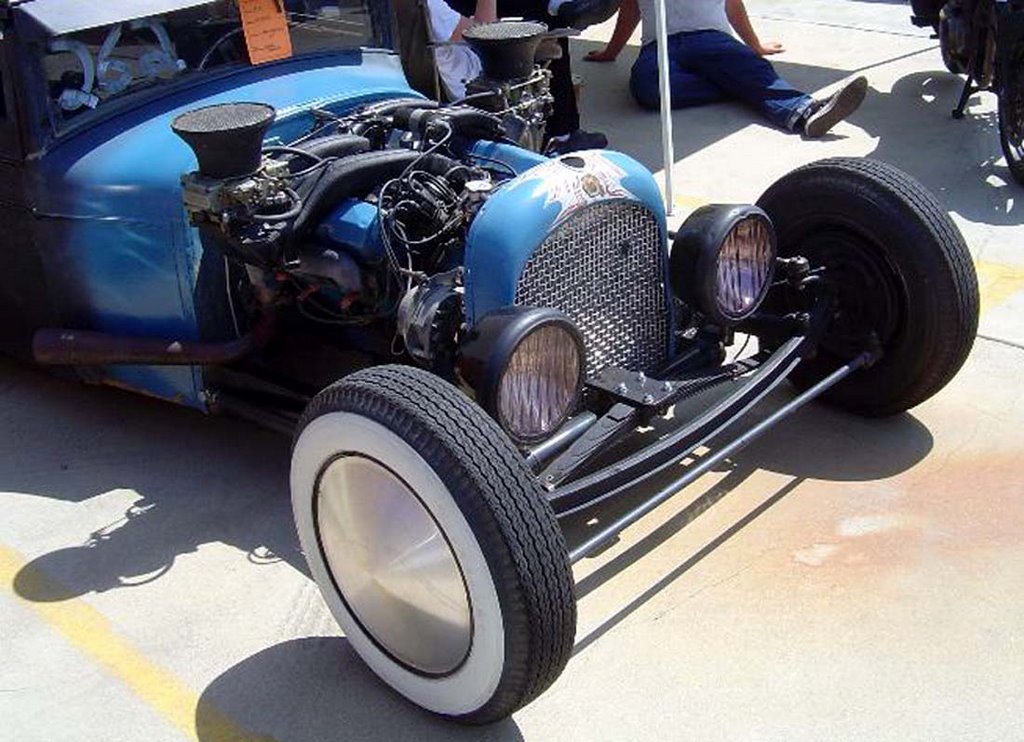
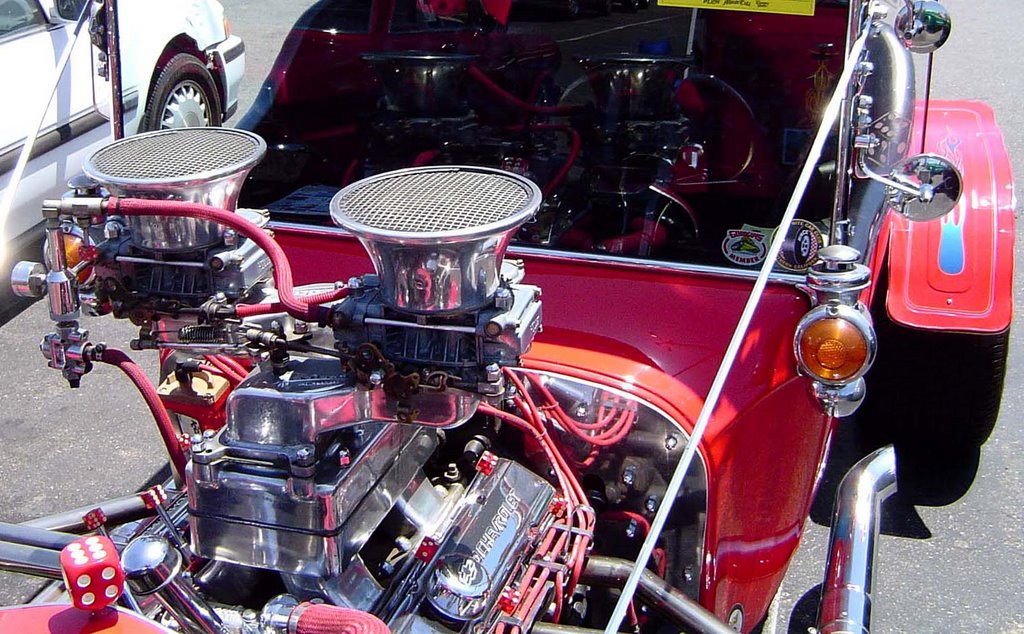
The more carbs, the better it looks
If there were bonus points for rare applications never seen before, this guy would beat all the competition. I think this long ram carb setup is from a Max Wedge 413, the only thing I've seen of this design. But putting it on a rod, and letting it all hang out? Now that's cool, unlike the factory's keeping stuff out of sight under a hood where I never get to see the cool stuff.
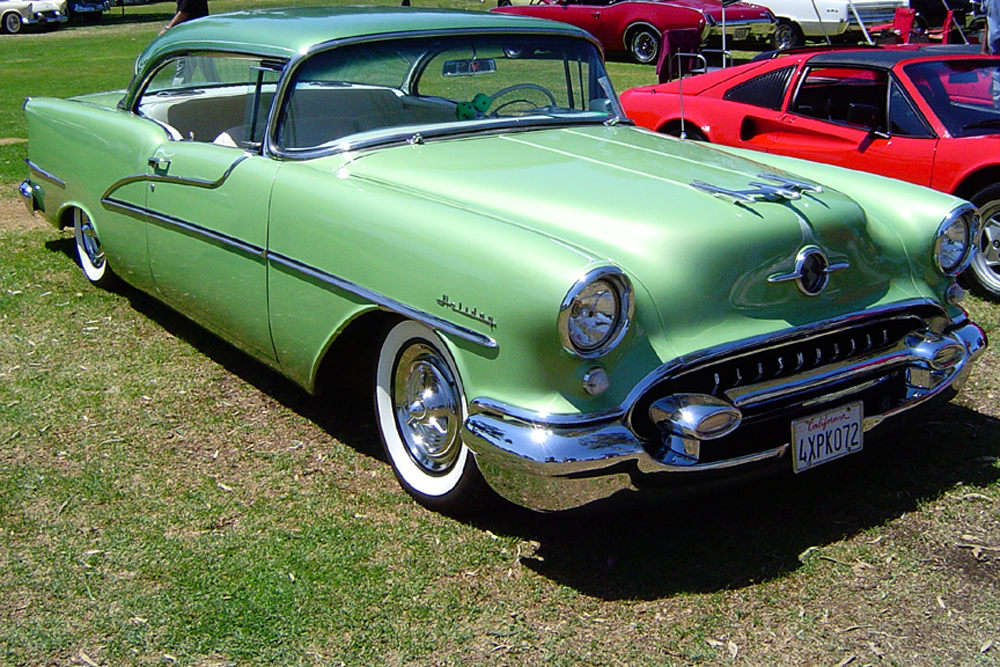



Pickup type cars, like the Ranchero.
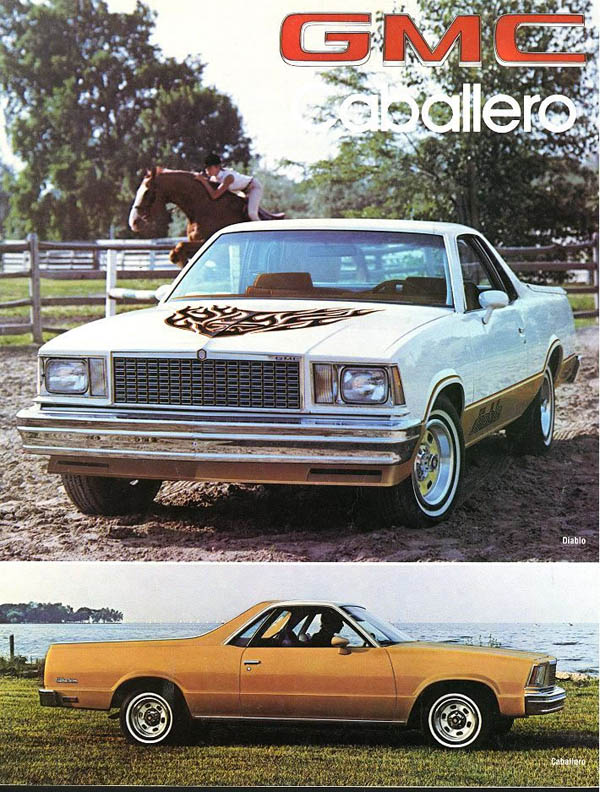 http://www.oldcarbrochures.com/ terrific source
So we are all familiar with the Ranchero, and El Camino... but ever hear of Dodge making one? I just learned that GMC had one. 1983 Caballero Laredo. Why? El Camino didn't have a nice enough sound to it anymore? A Diablo? You have to believe how desperate they were with this one. An air dam for pete's sake, and no power to make this fast enough to need one. Click on the images for the full size, and read how pathetic the ad was.


I'd never heard of a Caballero, until I saw this at the Coronado annual car show, Orange and Isabella
Best of Show winner at the annual GoodGuys show.

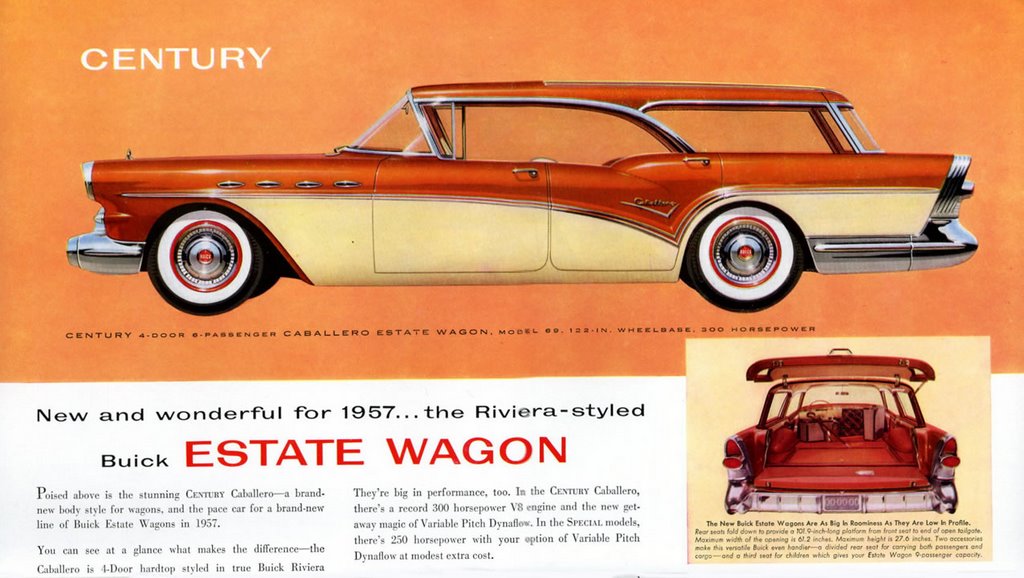
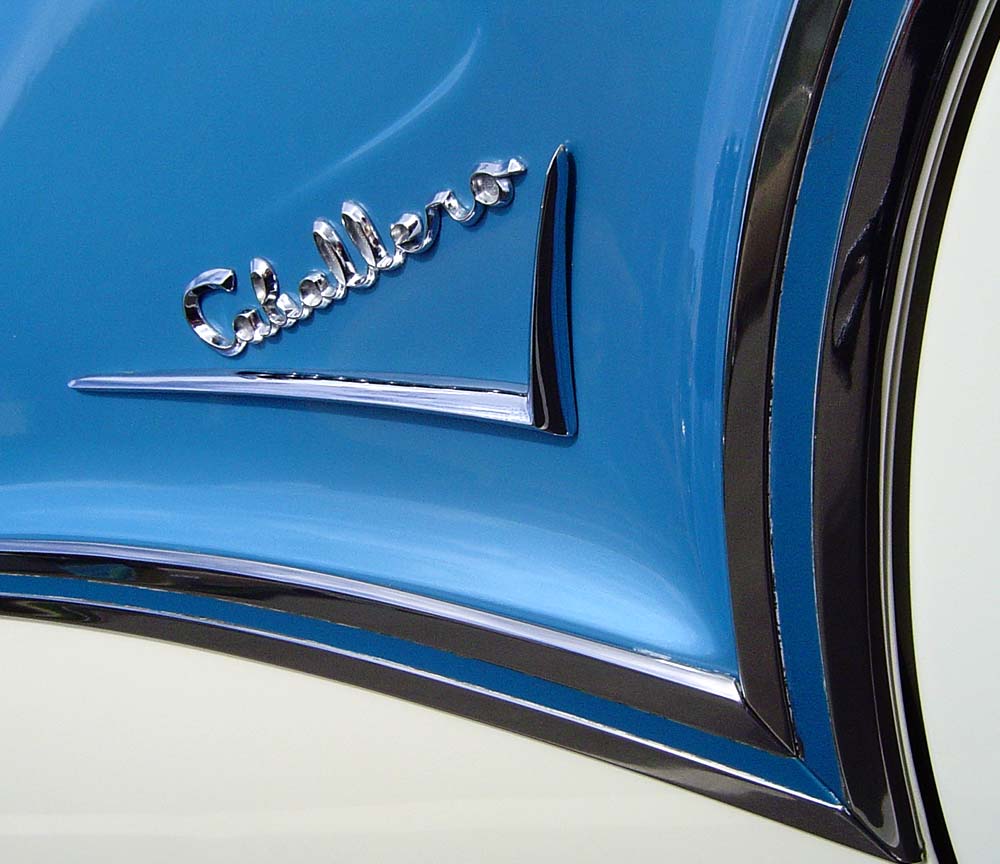
Because the Century was considered the senior "small Buick", the model received GM's only hardtop station wagon, the Century Caballero, from 1957 through 1958. The Caballero's expensive tooling, plus its limited sales appeal, caused GM to abandon the hardtop station wagon body style going into its planned 1959 divisional-wide new design program.
http://en.wikipedia.org/wiki/Buick_Century
 The most remarkable part of this wagon is the wrap around rear window that raised up. Sorry i didn't take a picture of it now.



Subscribe to:
Posts (Atom)